Learn about Ayurveda
Ayurveda is a traditional system of medicine that originated in ancient India over 5,000 years ago. The word "Ayurveda" is derived from the Sanskrit words "Ayur," meaning life, and "Veda," meaning knowledge or science. Thus, Ayurveda can be translated as the "science of life" or the "knowledge of life." It is considered one of the world's oldest holistic healing systems and is still widely practiced today.
Experience In Ayurveda, Yog and Meditation
Key principles and components of Ayurveda include:
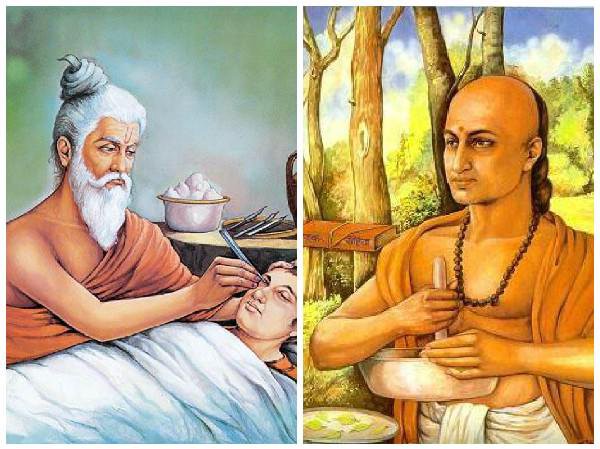
Disease is viewed as an imbalance between a person's life force (prana) and basic metabolic condition (dosha). The earliest literature on Indian Medical Practice appeared during the Vedic period in India. The Suruta Samhita and the Charaka Samhita were influential works on traditional medicine during this era.
Its focus is on the balance of mind, body and spirit.
Doshas
Prakriti
Dhatus
Agni
Malas
Ayurvedic Diet
Herbal Medicine
Yoga and Meditation
Panchakarma
Ayurveda Treatments
Ayurveda emphasizes the interconnectedness of the mind, body, and spirit. It aims to address the root causes of illness rather than merely treating symptoms. Ayurvedic practitioners take a holistic approach, considering an individual's lifestyle, diet, emotional well-being, and other factors when creating a treatment plan.
While Ayurveda has gained popularity for its holistic approach, it's important to approach it with caution, especially if integrating it with conventional medical care. If considering Ayurvedic treatments, it's advisable to consult with qualified Ayurvedic practitioners and healthcare professionals to ensure a well-rounded and safe approach to health and well-being.